
Eating for Weight Loss: Why Some Meals Keep You Fuller
October 1, 2026
Article
Roddiyyat Taiwo
Business & Marketing Lead, Skan Africa
Two plates can weigh roughly the same and still be completely different meals. One might be a small handful of biscuits, the other might be a large serving of watermelon.
Same weight.
Very different amount of food on the plate, very different amount of energy; that difference is one reason the conversation around weight loss can be more complicated than simply “eat less.”
A useful concept here is energy density.
What is energy density?
Energy density is simply the amount of energy in a given weight of food, usually expressed as calories per gram.
Foods contain different amounts of water, fat, carbohydrate, protein and fibre. Those differences affect how much energy is packed into the same weight of food. Water contributes weight and volume without contributing calories, while fat contains considerably more energy per gram than carbohydrate or protein. So 100g of one food can look very different from 100g of another.
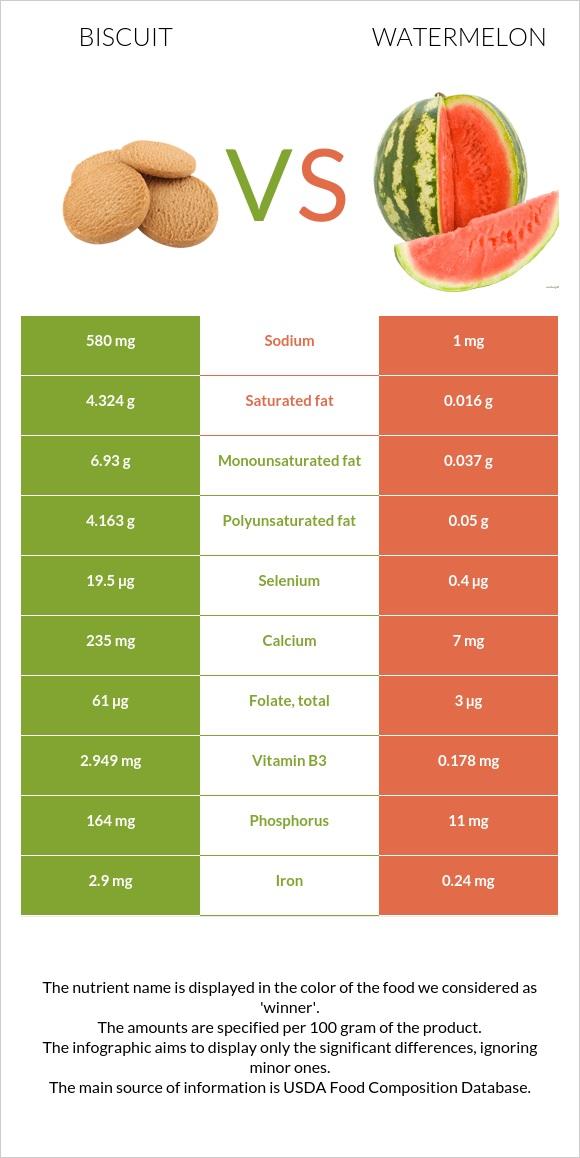
This is where watermelon and biscuits make a useful example. Watermelon contains a lot of water, so a relatively large physical portion can contain comparatively little energy. Biscuits contain much less water and are generally more energy-dense, neither fact makes one food universally “good” and the other “bad.”
They simply behave differently in the context of a meal.
Why does this matter when you're trying to lose weight?
Because your stomach responds to more than the number printed on a nutrition label and the physical amount of food you eat matters too.
Research on dietary energy density has found that lowering the energy density of meals can reduce energy intake while allowing people to eat similar amounts of food by weight. A 2023 systematic review and meta-analysis of randomized trials found that lower-energy-density interventions reduced energy intake compared with higher-energy-density interventions, although the researchers also noted substantial variation between studies.
In simpler terms:
You can sometimes have a bigger-looking plate without getting the same amount of energy.
That is a useful idea, especially when the alternative is simply being told to make your portions smaller.
This is where African meals get interesting
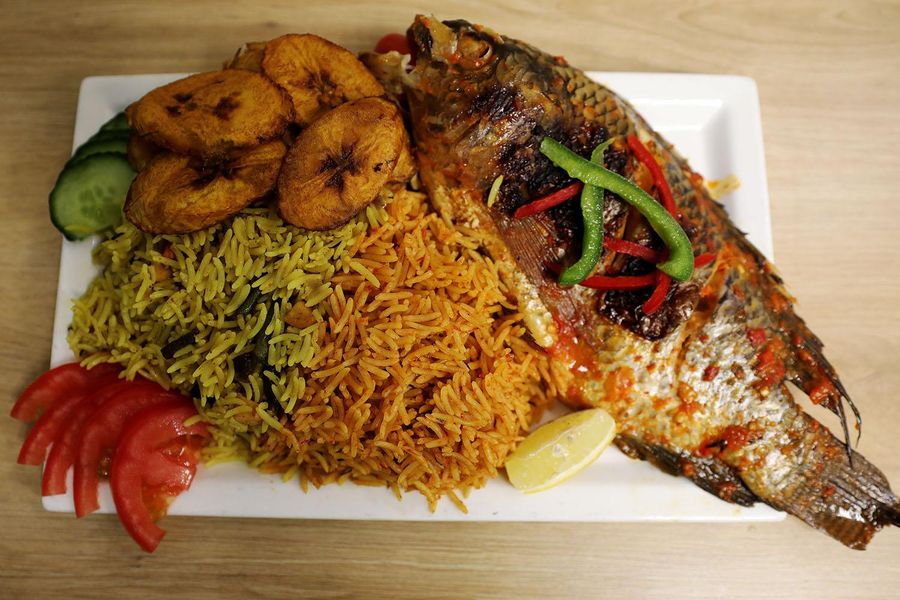
Consider a familiar meal built around rice.
There is a difference between thinking:
“Rice makes you gain weight.”
and asking:
“What is actually in this plate, and how much of the meal comes from each component?”
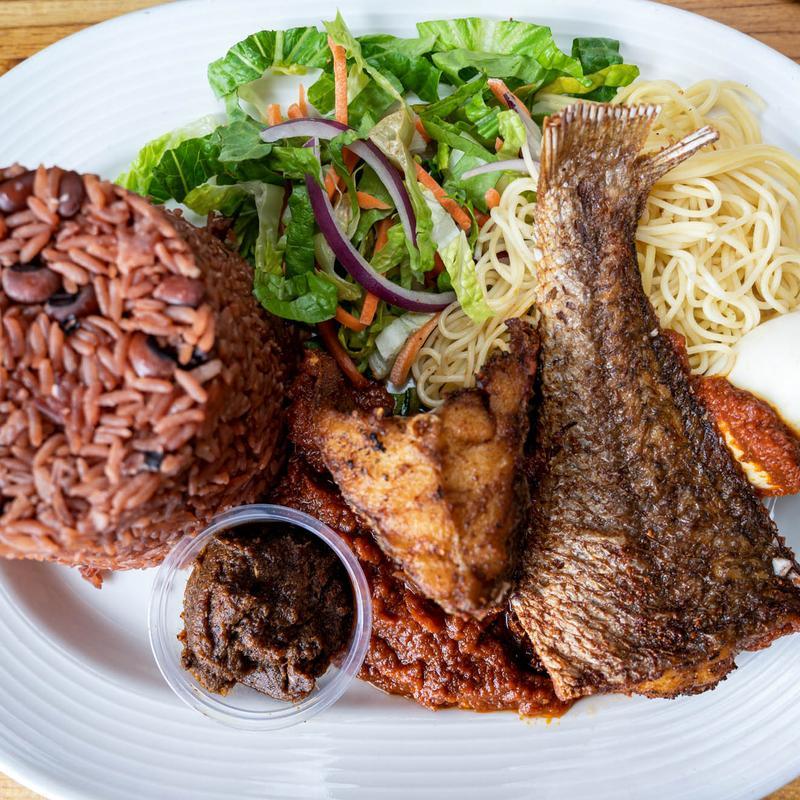
Rice can sit alongside beans, vegetables, fish, chicken, eggs, stew or other foods.
The same principle applies to yam, plantain, gari, potatoes, cassava and other staples. The staple itself is only part of the meal, preparation matters, ingredients matter, portions matter and the foods sitting beside the staple matter too.
Ghana's food-based dietary guidelines are built around variety across food groups, including cereals, roots and tubers, legumes, pulses and nuts, animal-source foods, fruits and vegetables.
That is a more useful way to think about food than putting individual ingredients into permanent categories of “weight-loss food” and “weight-gain food.”
Think about water and volume
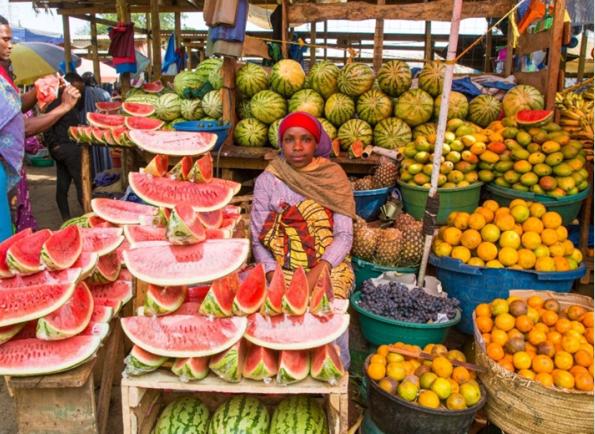
One of the simplest reasons foods differ in energy density is water.
Fruit and many vegetables contain a lot of water, that water contributes to their physical weight and volume without contributing calories. This is one reason foods such as watermelon, oranges, cucumber, tomatoes and leafy vegetables can take up a lot of space on a plate relative to the energy they contain.
It does not mean you should build every meal around one category of food, It means that food volume is worth paying attention to.
A meal with vegetables, fruit or a water-rich food alongside other components can look and feel quite different from a meal made mostly from more energy-dense foods.
What about beans?
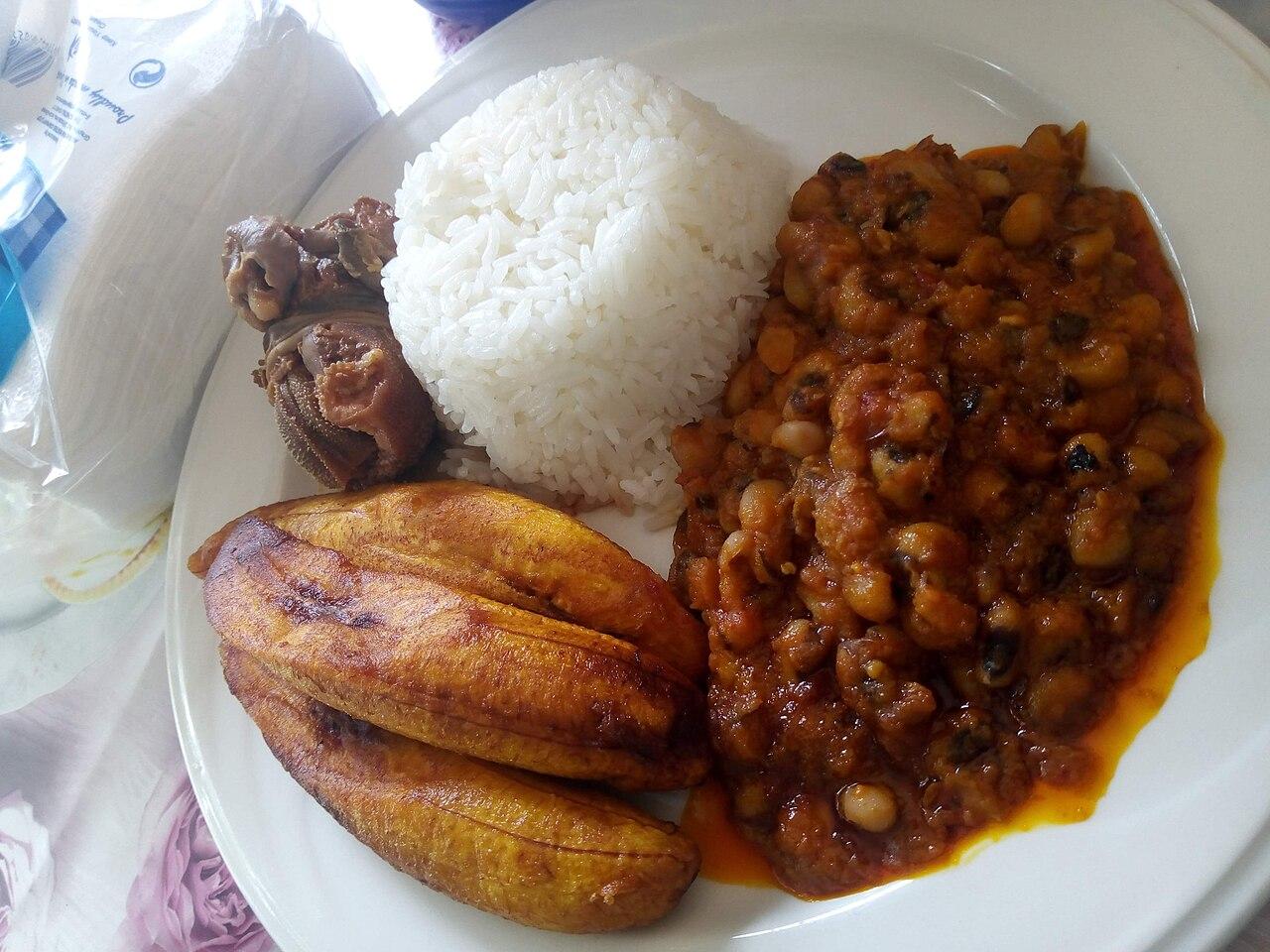
Beans are another interesting example because they sit somewhere in between several food categories people often treat separately.
They provide carbohydrate, protein and fibre; and because meals are combinations rather than isolated ingredients, beans can change the character of a plate.
- Rice and beans is different from rice alone,
- Beans with plantain is different from plantain alone,
- A bean stew with vegetables is different again.
The point is not that one combination automatically produces weight loss, It is that the structure of the meal changes what you are eating.
Fullness is not just about calories
And this is where things get interesting.
Energy density is associated with food intake and fullness, but it is not the only thing affecting how satisfied someone feels. Food texture, protein, fibre, water, meal composition, eating speed and individual differences can all matter.
A systematic review of clinical trials found that changing dietary energy density did not significantly affect hunger, although it was associated with a modest increase in reported fullness in the studies included.
So we should be careful with simple claims such as:
“Low-calorie foods keep you full.”
The reality is more complicated.
Some lower-energy-density meals can make it easier to eat a satisfying physical amount of food while consuming less energy, but individual responses vary.
Look at the whole plate
This is probably the most useful takeaway.
Instead of asking:
“Is this food good for weight loss?”
Try asking:
- How much food is actually on the plate?
- How much energy is packed into it?
- What else is part of the meal?
- How was it prepared?
- What makes the meal satisfying for me?
Those questions give you more information than a simple food list.
And they work with the foods we already eat.
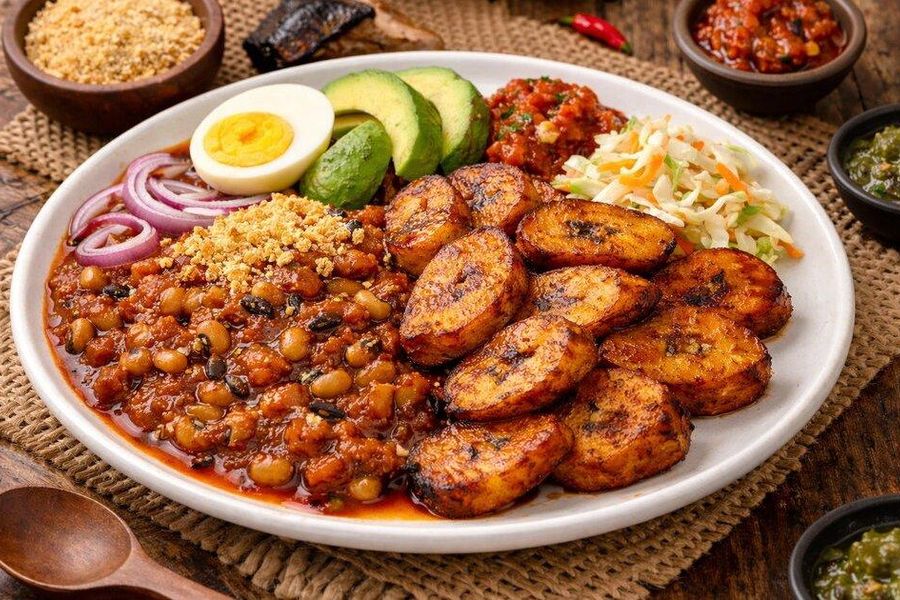
- Waakye,
- Jollof,
- Beans,
- Yam,
- Plantain,
- Gari,
- Kenkey,
- Rice,
- Soups and stews,
- Fish,
- Eggs,
- Vegetables,
- Fruit.
The challenge is not that African food needs to be replaced with some completely different diet, the challenge is understanding what is actually in the meal in front of you.
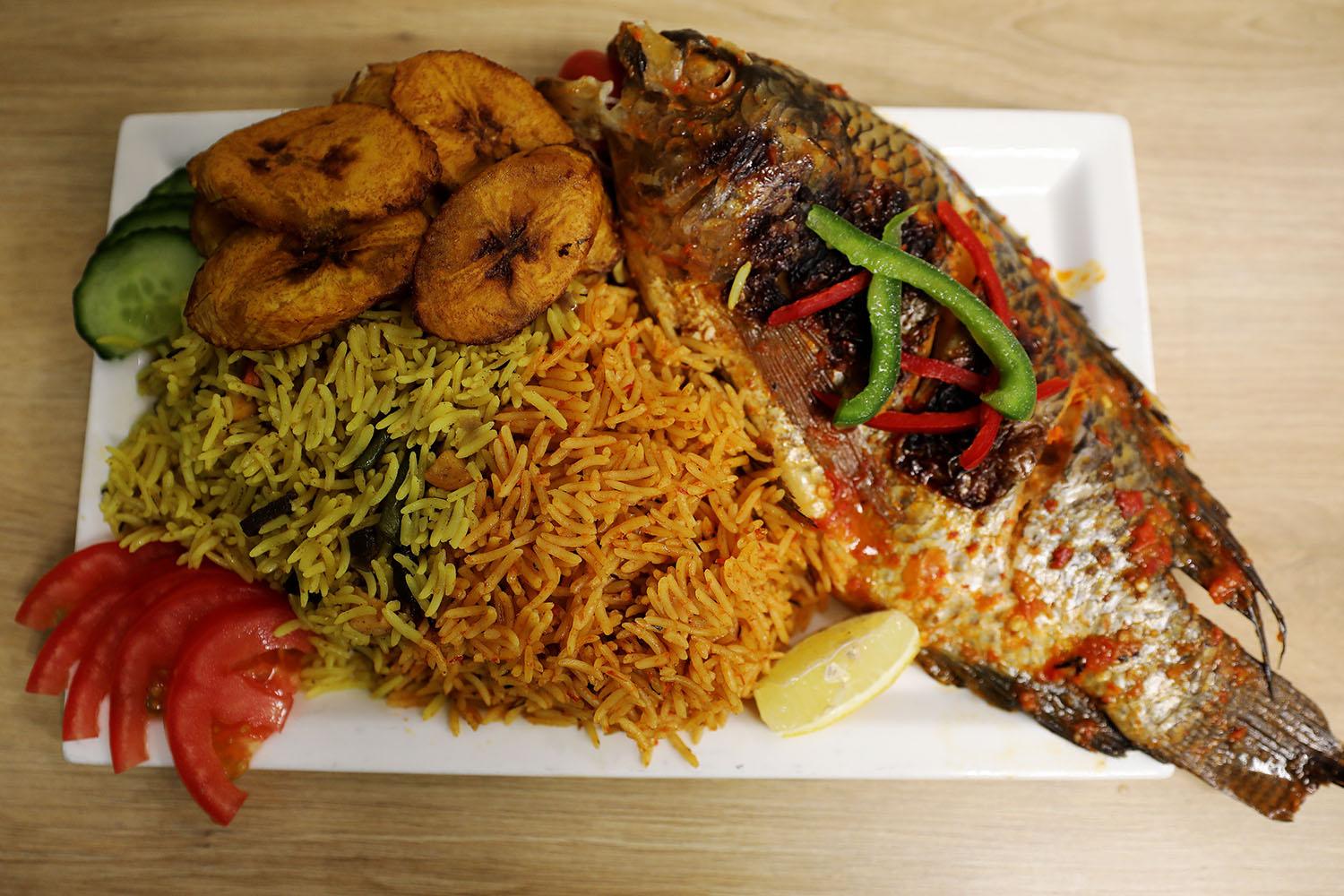
There is no universal “weight-loss plate”
Your food choices also have to make sense for your life. Someone in Accra buying lunch from a chop bar has a different set of choices from someone cooking dinner for a family in Kumasi. Someone in Lagos buying food on the way home has a different set of choices from someone preparing meals for several people; and someone managing diabetes or hypertension may have additional nutritional considerations that make general weight-loss advice insufficient.
That is why Skan's job cannot simply be to produce a list of foods people should or should not eat.
The useful question is:
Can we help someone understand the food that is actually in front of them?
Not an imaginary meal, not a meal designed for an American supermarket.
- Their meal,
- Their ingredients,
- Their portion,
- Their context,
That is where food information becomes useful, because weight loss is not just about eating less. It is also about understanding what you are eating, how much food it gives you, and how the pieces of the meal fit together.
Reviewed by: [Skan Nutritionist/Dietitian — Erica Buabin]
Skan provides food information, not medical advice. For decisions about managing a health condition, Skan directs users to consult a registered dietitian or their healthcare provider.