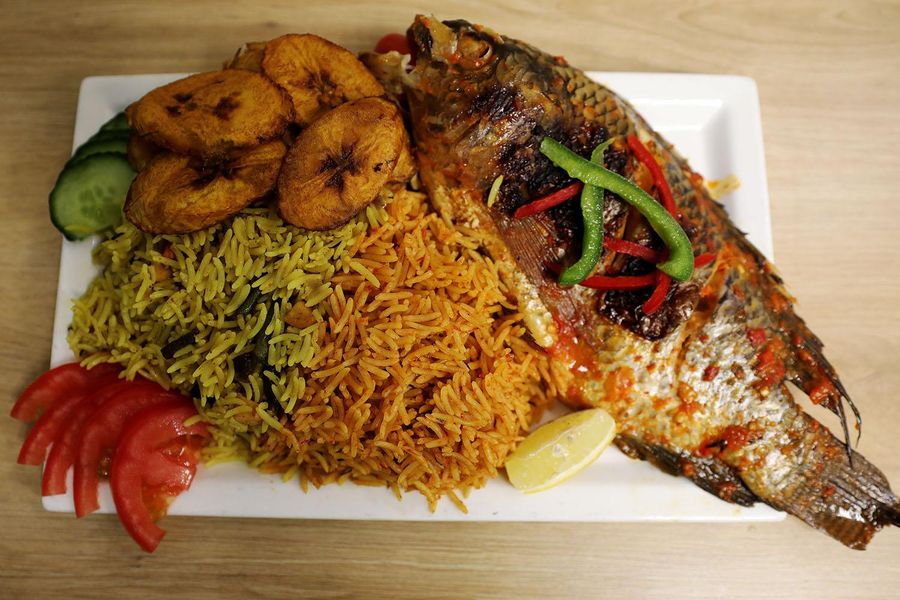

Eating to Gain Weight: African Foods That Pack More Into a Meal
October 1, 2026
Article
Roddiyyat Taiwo
Business & Marketing Lead, Skan Africa
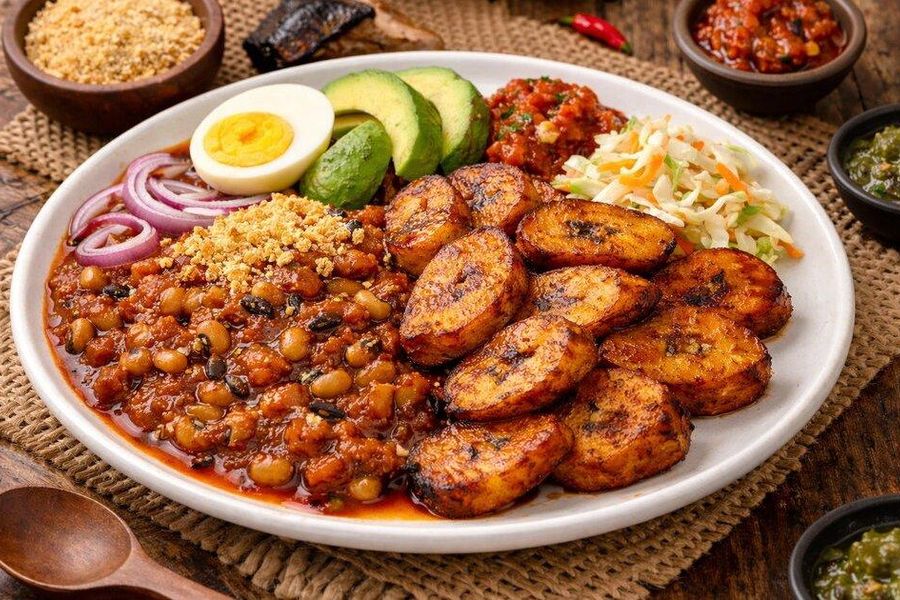
Most conversations about food and weight begin with losing it.
- Eat less,
- Cut this,
- Reduce that,
- Watch your portions.
But what if you are trying to do the opposite?
For some people, gaining weight is the goal. And “just eat more” is not always particularly useful advice.
You still have to decide what to eat, what you can afford, what you actually enjoy, and what fits into the meals you already eat. The good news is that gaining weight does not necessarily mean replacing familiar foods with completely different ones. West African diets already include plenty of foods that can make a meal more energy-dense and substantial.
The interesting part is learning how to put them together by starting with the meal you already eat
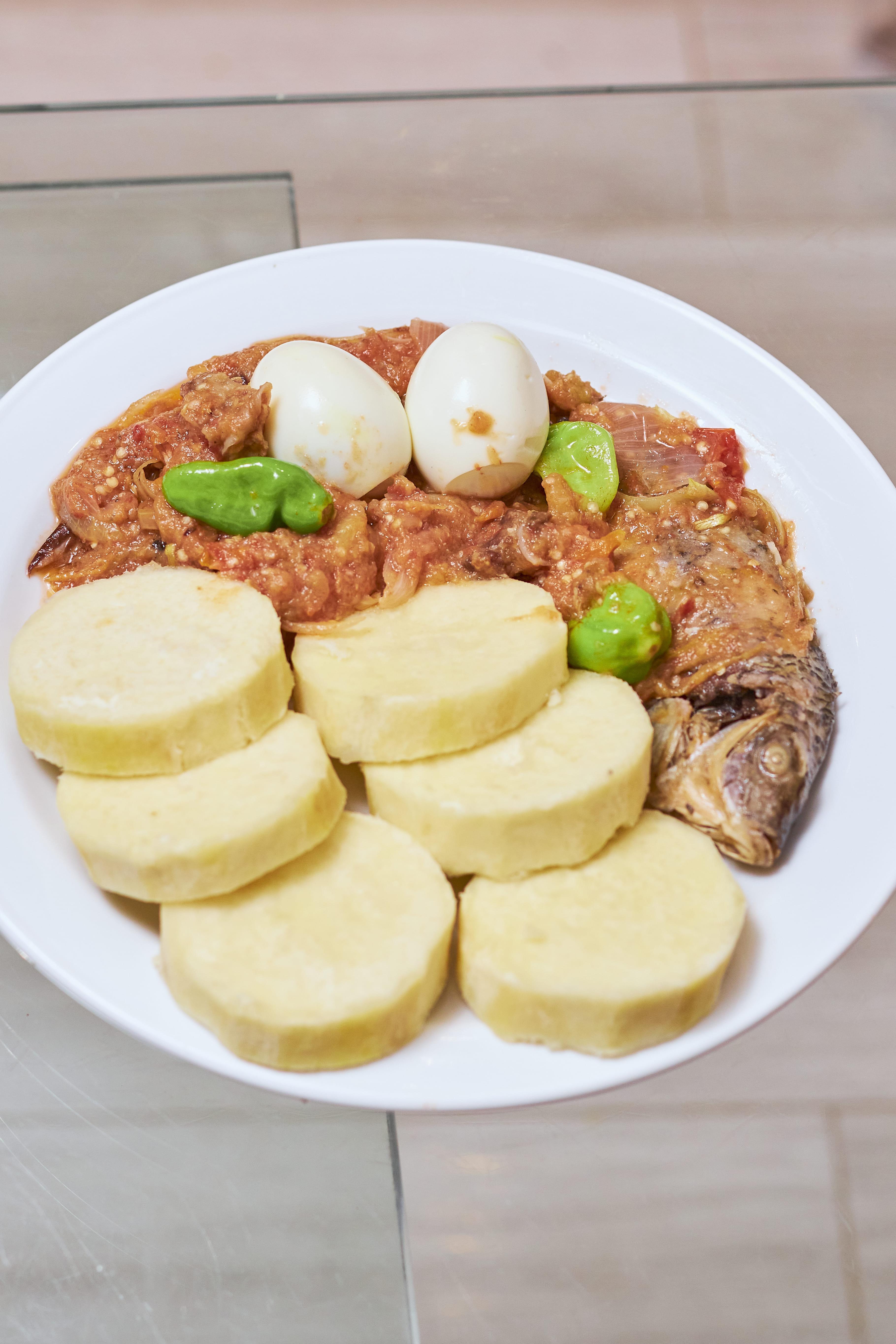
Think about a meal of boiled yam, stew and eggs, you do not necessarily need a completely new meal, you can change the composition of the meal.
Here is it simply:
- Yam provides carbohydrate and energy,
- Eggs add protein and fat,
- A stew can bring vegetables,
- Protein and cooking fats(oils, butter) depends on how it is prepared.
The same idea works across many familiar meals.
- Rice can be paired with beans and a protein source(eggs, poultry meat, beef & red meat, fish.
- Plantain is multiversatilile can be served alongside eggs or beans.
- Gari can appear as part of a meal rather than being treated as a food that exists in isolation.
- Groundnuts can become a snack, a paste, or an ingredient in a meal.
The point is not that one of these foods is a magic weight-gain food, It is that the combination matters.
Some familiar foods pack quite a lot into a small amount
One useful concept here is energy density: how much energy a given weight of food contains.
This helps explain why foods such as groundnuts, seeds and oils can add a lot to a meal without adding a huge amount of physical volume.
For example, FAO food-composition data list groundnuts at around 570 kcal per 100g, while avocado is around 120 kcal per 100g. The exact value of a food changes with variety, preparation and serving, but the broader point remains: foods can have very different amounts of energy in the same weight.
That makes these foods useful ingredients to understand when someone is trying to make meals more substantial, and there are plenty of familiar options.
1. Groundnuts and other nuts
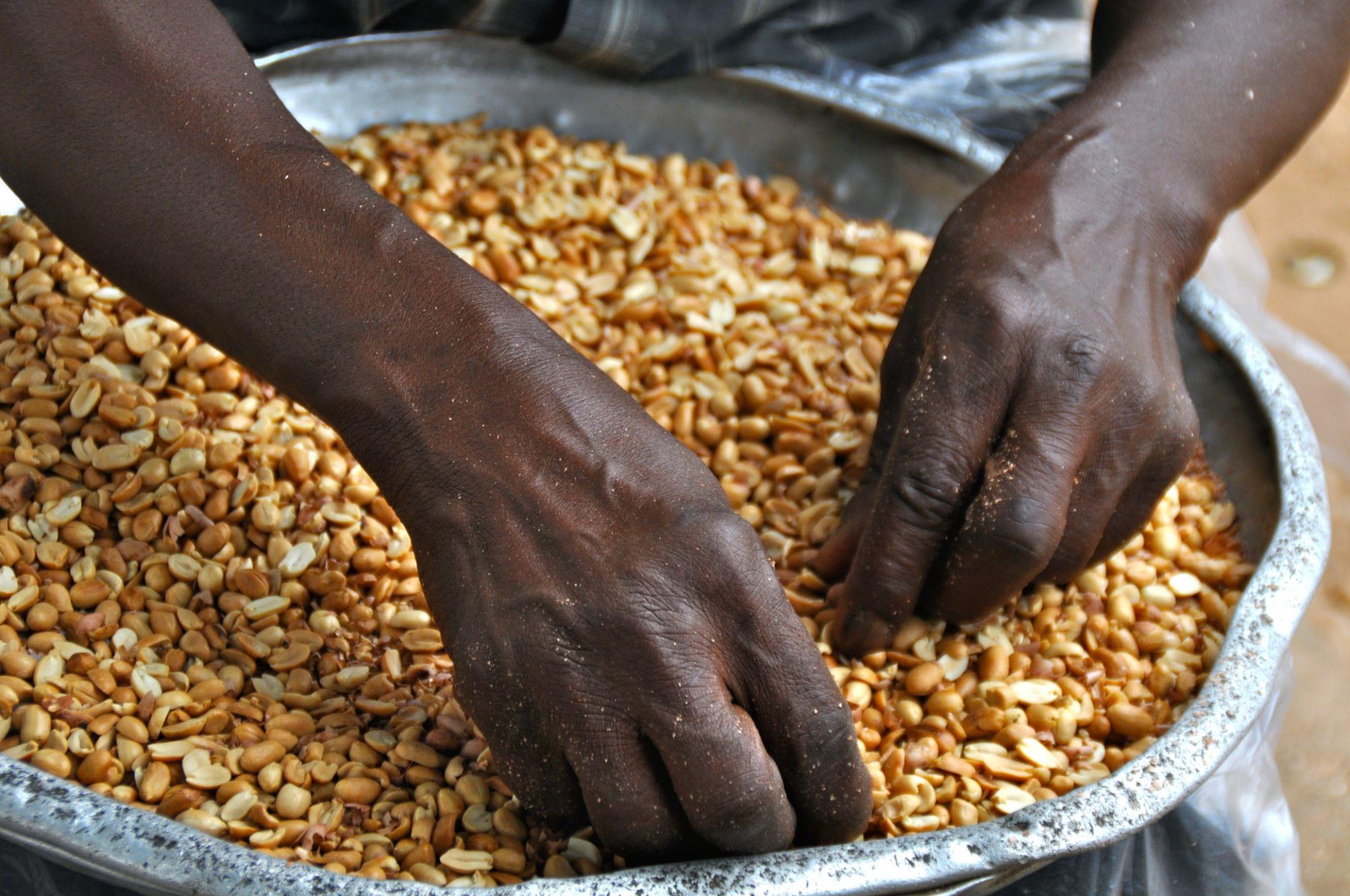
Groundnuts are particularly interesting because they contain both protein and fat. They can be eaten on their own, ground into a paste, added to porridge or incorporated into sauces.
Other nuts and seeds can play a similar role.
2. Avocado
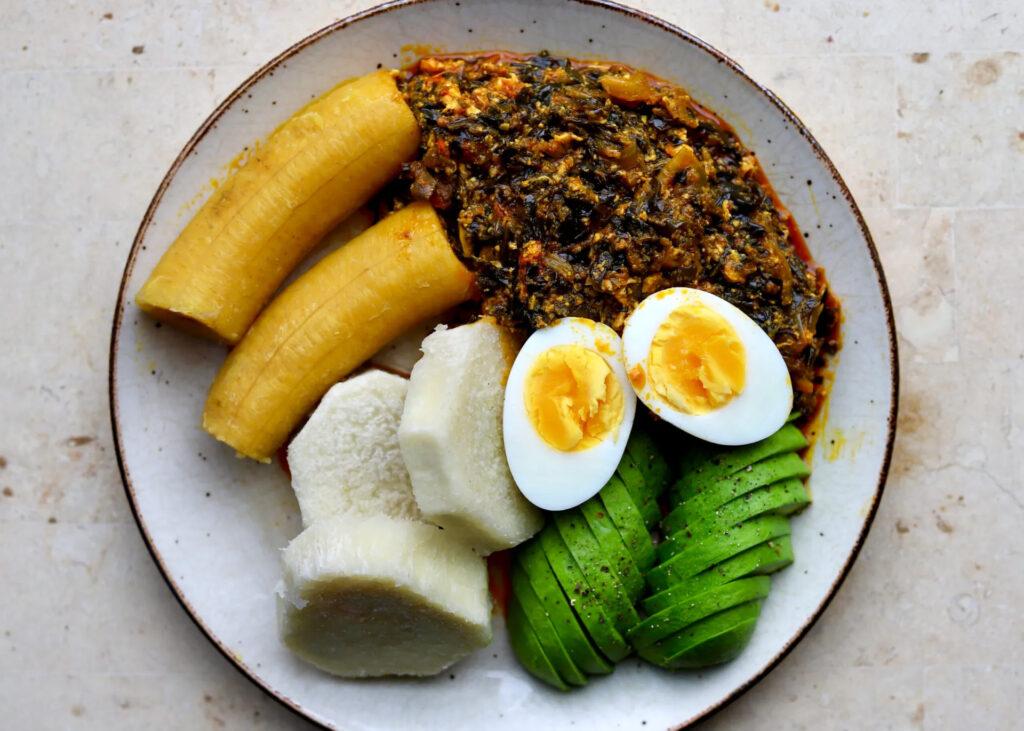
Avocado brings fat along with its other nutrients and can be added to meals without requiring a completely different eating pattern.
Think of it alongside bread, eggs, beans, oat or another familiar meal rather than as a separate “weight gain food.”
3. Beans and cowpeas
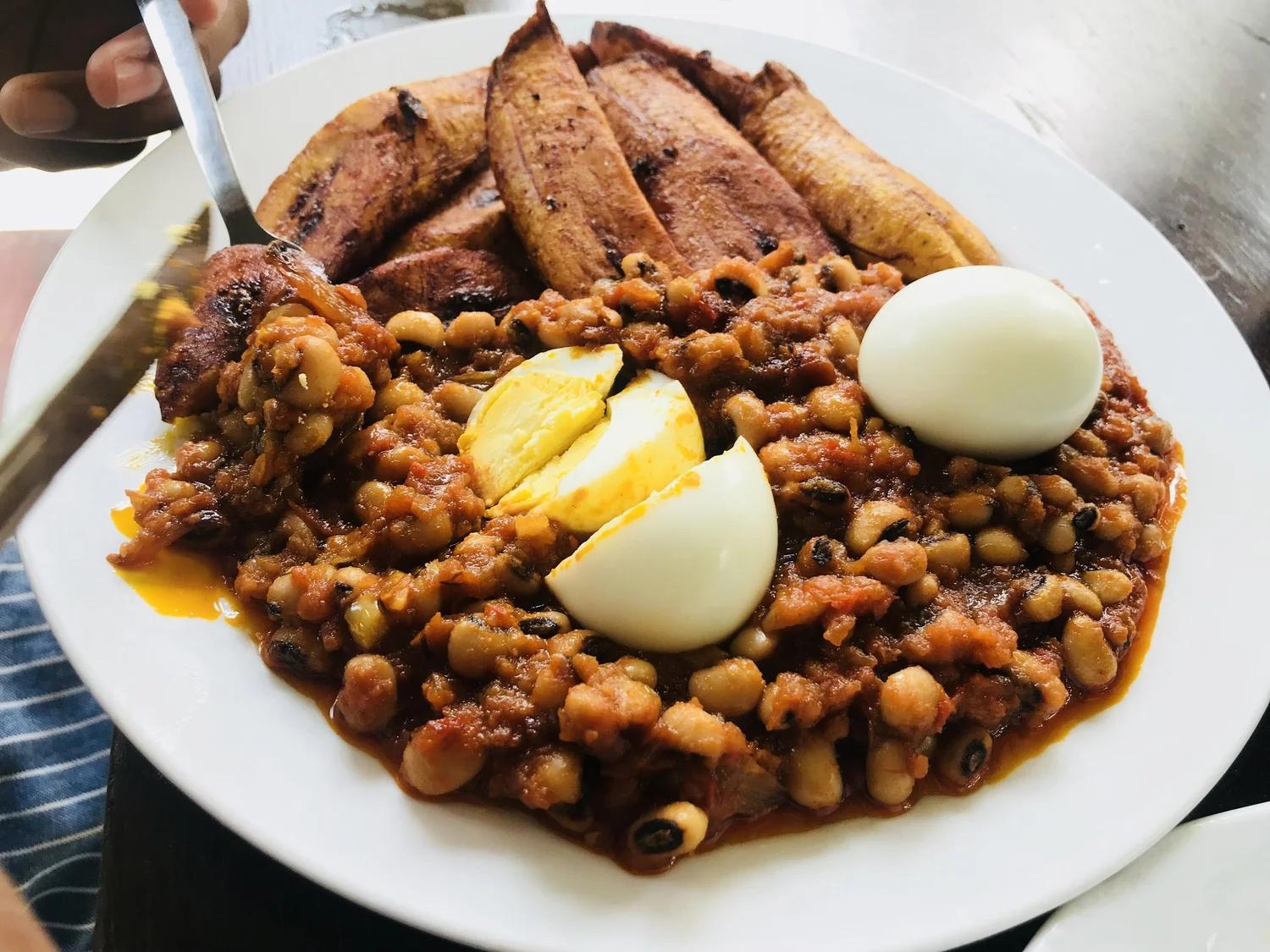
Beans are useful because they bring protein and carbohydrate together.
FAO's West African food composition work includes beans and cowpeas among the region's commonly documented foods, with cowpea data showing meaningful amounts of protein and energy per 100g of dry seed.
In everyday food, that could mean beans with rice, beans with plantain, bean stew, akara or other familiar preparations.
4. Yam, plantain, cassava and other staples
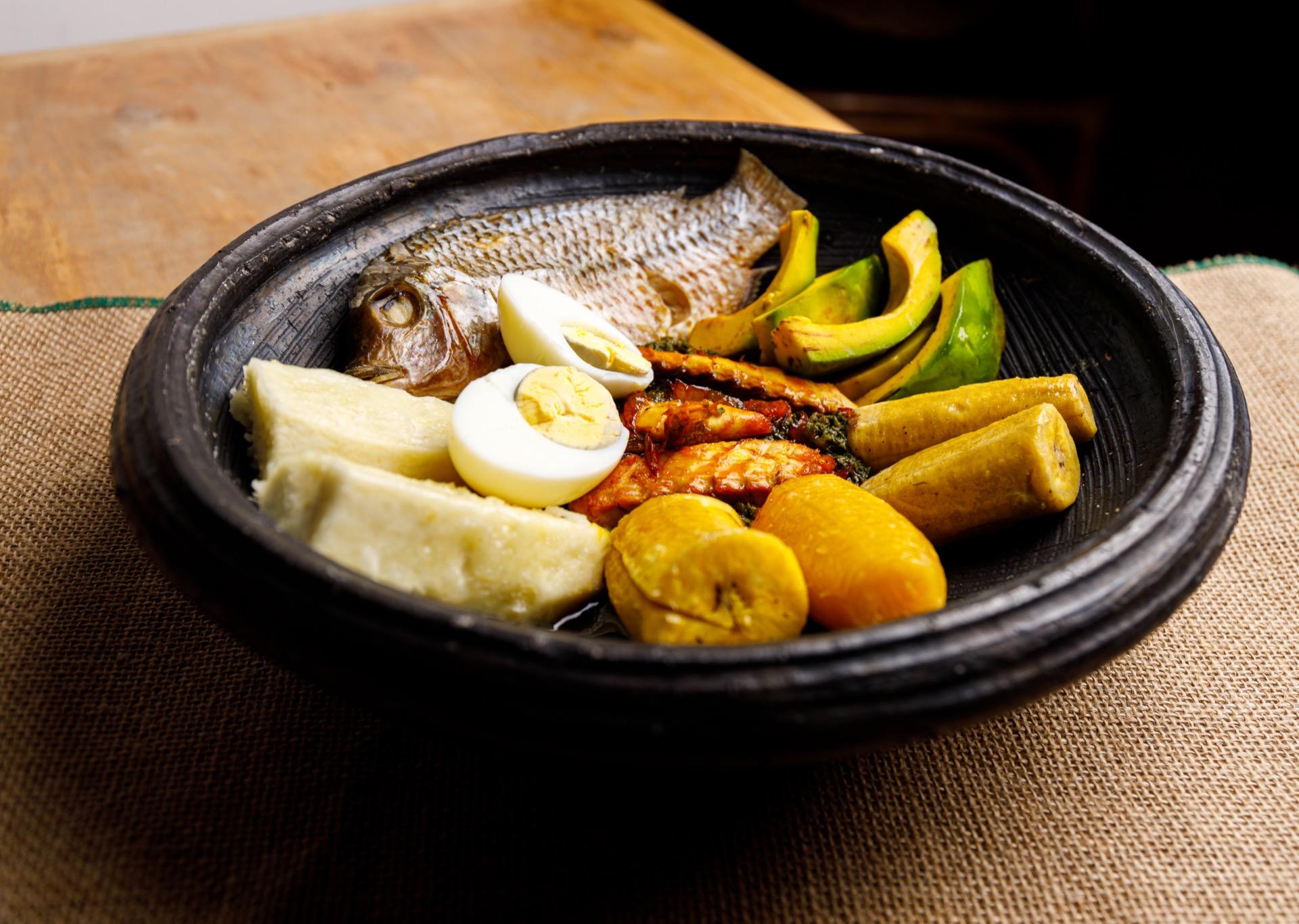
Staples matter too. Yam, plantain, cassava, maize, rice and other cereals and roots provide substantial carbohydrate. Their nutritional composition changes considerably depending on whether they are boiled, fried, dried, milled or prepared as part of another dish.
That last part is important.
Boiled plantain and fried plantain are not nutritionally identical, fresh cassava and cassava flour are not the same thing, rice on its own is different from rice prepared with other ingredients.
This is one reason food advice can become confusing when it is reduced to lists.
Protein still matters
Adding energy to a meal is one part of the picture.
Protein matters too, particularly when someone's goal involves building or maintaining muscle rather than simply increasing the number on the scale.
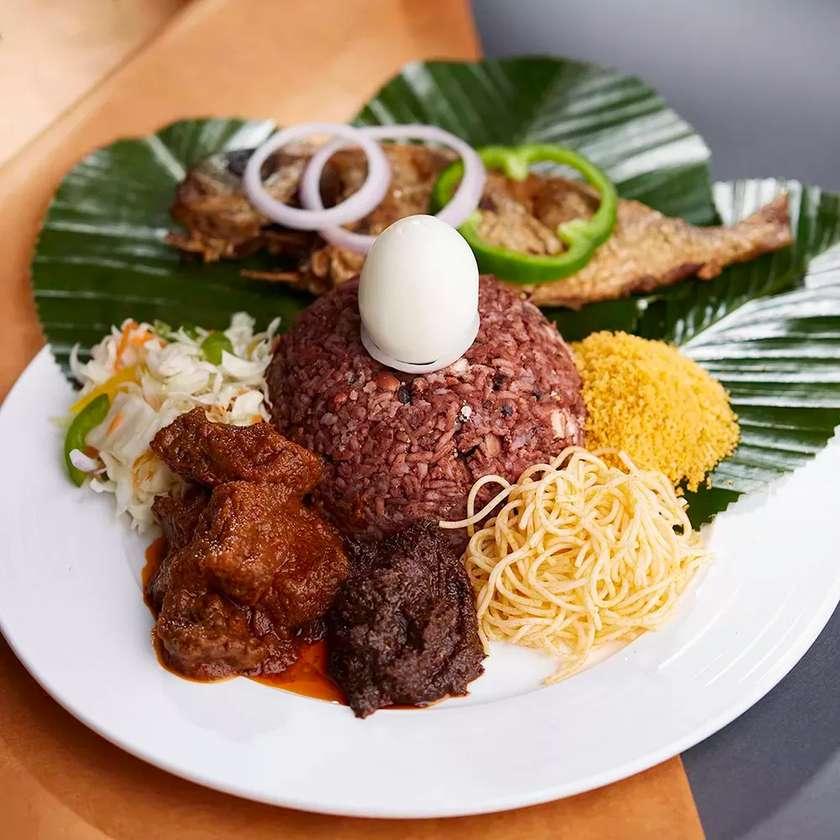
Eggs, fish, chicken, meat, beans, cowpeas and other legumes can all contribute protein to meals.
Ghana's food-based dietary guidelines also emphasise variety across cereals, roots and tubers, legumes, pulses and nuts, animal-source foods, fruits and vegetables rather than relying on one food group alone.
So a more useful question than:
“What food will make me gain weight?”
might be:
“How can I make the meal I already eat more substantial?”
That question gives you considerably more options.
More food does not have to mean more food volume
This is where energy density becomes particularly useful.
Imagine someone who gets full quickly, telling them to simply eat much larger portions may not be practical. But adding a small amount of a more energy-dense ingredient can change the overall meal without requiring the person to eat a mountain of food.
That could mean groundnut paste in porridge, avocado alongside a meal, eggs added to a staple, or nuts and seeds incorporated into snacks. It is less about finding one miraculous food and more about understanding what different foods contribute.
And there is a reason not to turn this into a “gain weight fast” list
Weight gain has context. Someone who has always struggled to maintain weight is in a different situation from someone who has recently lost weight without intending to.
The NHS advises people to seek medical advice when weight loss is sudden or unexplained, because there can be an underlying reason that needs attention.
So this article is not a prescription for how much anyone should eat, It is a way of looking at familiar food differently.
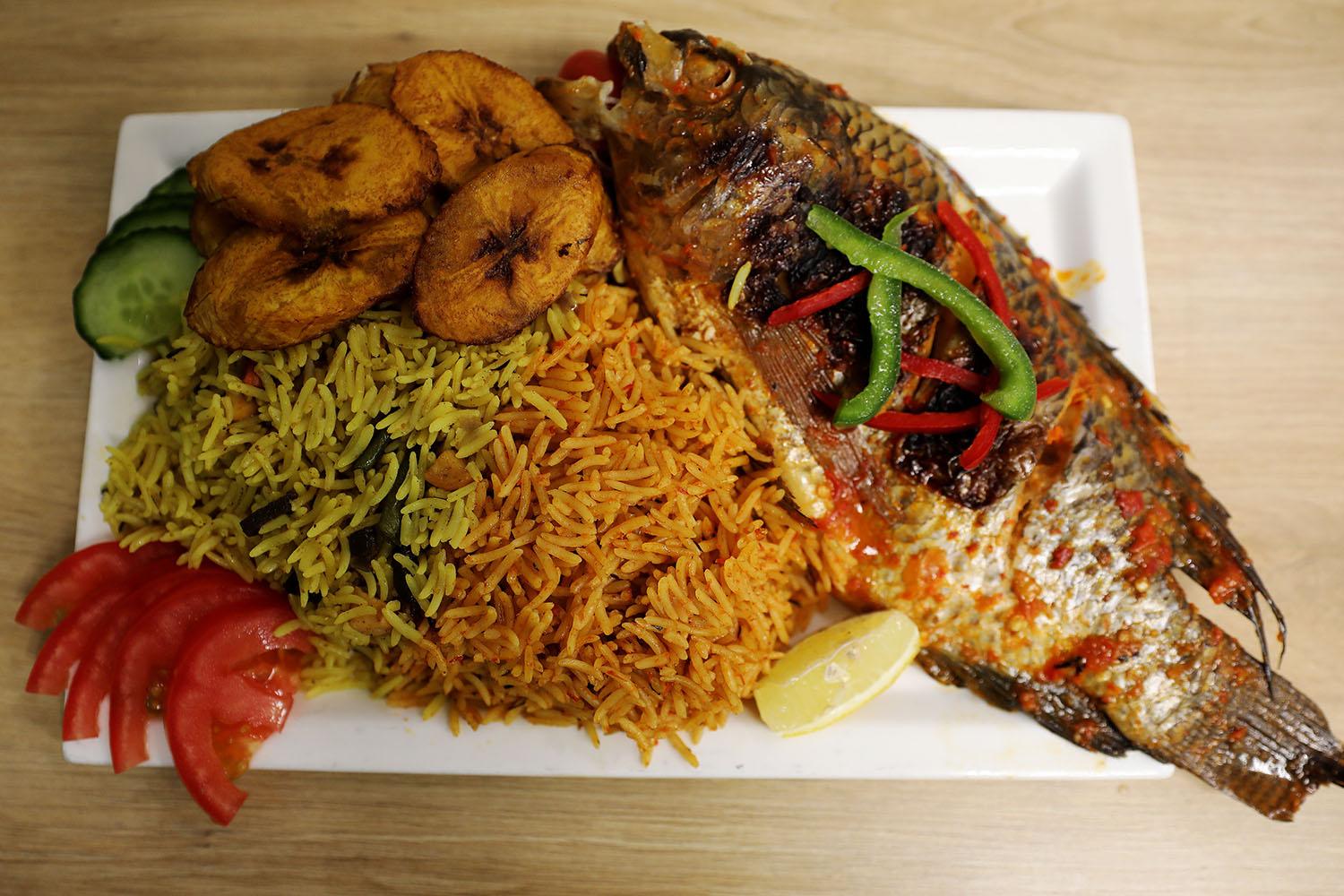
Your everyday food already gives you options
African food is sometimes treated as though healthy eating requires importing an entirely new menu.
It doesn't.
There is already a huge amount of nutritional variety in the foods people buy in local markets, prepare at home and order from restaurants.
- Groundnuts,
- Beans,
- Cowpeas,
- Eggs
- Fish
- Avocado
- Plantain
- Yam
- Cassava
- Maize
- Millet.
And countless combinations of them.
The useful part is understanding what each food contributes, how preparation changes it, and how those foods come together in an actual meal.
That is a much more practical place to start than a list of “foods for weight gain.”, because the goal is not to eat like someone on the internet; It is to understand your food, your meals and what they can do for you.
Nutrition reviewed by [Skan Nutritionist/Dietitian — Erica Buabin]
Skan provides food information, not medical advice. For decisions about managing a health condition, Skan directs users to consult a registered dietitian or their healthcare provider.