Food and Mood: Why What You Eat Can Change How You Feel
November 1, 2026
Article
Roddiyyat Taiwo
Business & Marketing Lead, Skan Africa
Have you ever finished a meal, returned to your desk and suddenly found yourself struggling to concentrate?
You are not necessarily sleepy because you had a long day, you are not necessarily unmotivated, you just feel… different, your body feels heavy, your mind seems slower, you have little interest in doing anything that requires effort.
And then there are other days when you eat, get up from the table and feel ready to get on with your day. You have energy to work, think, move around and do the things you planned to do.
It raises an interesting question:
Can what we eat influence how we feel after eating?
The short answer is yes. But the relationship between food, energy and mood is more interesting than simply saying some foods make us happy while others make us sad.
Let's get into it.
First, let's talk about the afternoon slump
There is a name for that heavy, sleepy feeling that can follow a meal; its called : postprandial somnolence.

You might know it better as a food coma, It is that familiar experience of eating lunch and feeling your alertness disappear shortly afterwards. You may struggle to concentrate, feel sluggish or find yourself wishing you could take a nap instead of returning to work.
This can happen for several reasons:
- The size and composition of a meal can play a role causing your digestive system to send signals that interact with the systems in your brain responsible for alertness.
- Changes in glucose and other substances circulating in your blood may contribute too.
- And timing matters also; your body naturally experiences a dip in alertness during the early afternoon, which can make the feeling more noticeable after lunch.
So, if you have ever blamed your entire afternoon productivity problem on lunch, there may be more going on than you realised.
What happens to your energy after you eat?
One of the most important things to understand is glucose. Glucose is a type of sugar that circulates in your blood; It is one of the body's main sources of energy, and your brain relies on it to function.
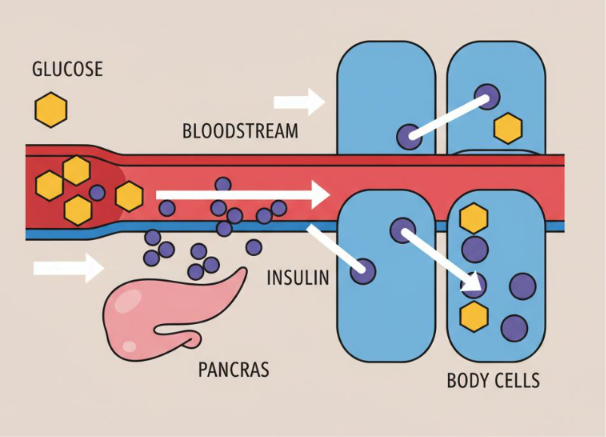
When you eat foods containing carbohydrates, your digestive system breaks much of that carbohydrate down into glucose, which enters your bloodstream. Your body then releases insulin, a hormone that helps move glucose from your blood into your cells, where it can be used or stored.
This is a normal part of how your body manages energy.
However, the way glucose levels change after a meal can differ depending on what you eat, how much you eat and how your body responds. For example, a meal or snack containing a lot of rapidly digested carbohydrates may cause blood glucose to rise more quickly than a meal containing more fibre, protein and other components.
Some people may notice changes in their energy, hunger or concentration as their blood glucose levels change.
But here is an important distinction:
"Feeling tired after eating does not automatically mean your blood sugar has crashed".
Actual low blood glucose is a medical finding, and symptoms such as shakiness, sweating, dizziness, hunger and confusion need to be understood in their proper context; In other words, not every afternoon slump is a blood sugar problem.
Why the composition of your meal matters
Think about two different meals, One is mostly a large serving of a refined carbohydrate, with very little else alongside it, the other combines a carbohydrate source with beans, fish, eggs, vegetables or another source of protein and fibre.
Both meals provide energy, but they are not made up in the same way, and your body may process them differently.
Fibre can slow digestion and the absorption of glucose, protein and fats also influence how quickly a meal is digested and how long you feel satisfied. This is one reason nutrition professionals pay attention to the overall composition of a meal rather than looking at one ingredient in isolation.
Think about our local foods:
- Waakye served with beans, fish, egg and other accompaniments.
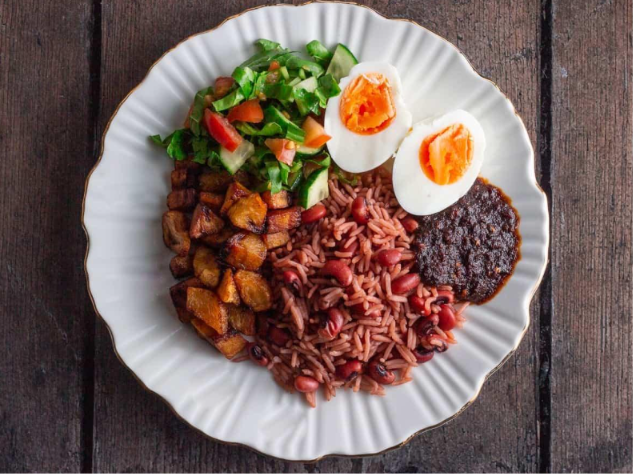
- Banku with okro stew and fish.

- Yam served with kontomire stew and egg.
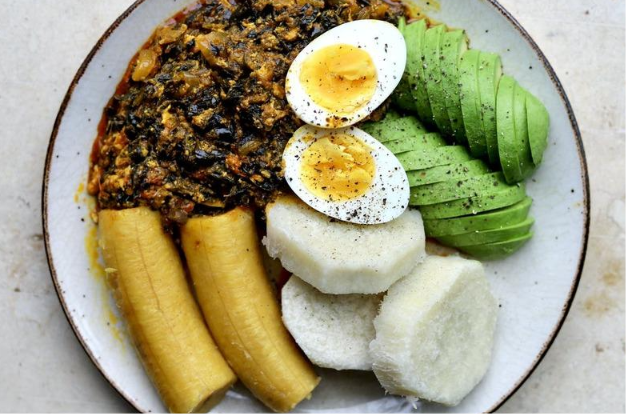
- Plantain served with beans.
.jpg)
Each meal has a different combination of ingredients. The portions, preparation methods and exact ingredients matter too. The point is not that one of these meals guarantees better energy or that there is one perfect combination for everyone; It is that understanding what makes up your meal gives you a better picture of what you are eating.
But what about the mood part?
This is where things get particularly interesting.
Food does more than provide energy. Your digestive system and brain are in constant communication through what scientists call the gut–brain connection.
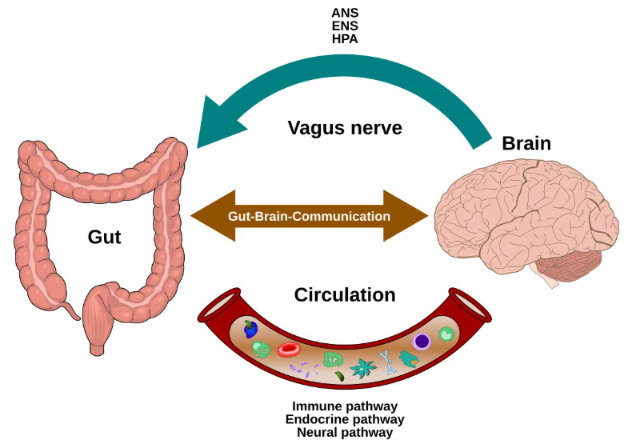
Think of it as a two-way communication system.
Your brain can influence digestion, which is why stress can sometimes affect your stomach. In the other direction, signals from your digestive system can influence processes involved in how you feel.
Researchers are studying how the gut microbiome; the community of microorganisms living in your digestive system interacts with the brain, the immune system and other processes related to mood. This does not mean that eating a particular food will immediately make you happy or that another food will automatically make you sad.
The relationship is much more complicated.
Your mood is influenced by many things, including sleep, stress, hormones, relationships, physical activity, health and your environment; food is one part of that picture. There is also a difference between feeling temporarily tired or irritable after a meal and experiencing persistent sadness or depression, they should not be treated as the same thing.
So, can you learn something from how you feel after eating?
Instead of immediately labelling a meal as good or bad, start paying attention to your own experience.
For example:
- What did you eat?
(Was it a large meal? What were its main components? Did you have a drink alongside it?)
- How did you feel afterwards?
(Did you feel comfortably satisfied, unusually sleepy, energetic, bloated or distracted?)
- When did you notice the change?
(Was it immediately after eating, an hour later or several hours afterwards?)
- What else was happening that day?
(Did you sleep well? Were you stressed? Had you skipped an earlier meal? Were you already tired before eating?)
Looking at these details over time may help you notice patterns that a single meal cannot explain; and skan help you track all these pattern over a period of time.
If you experience repeated episodes of pronounced tiredness, shakiness, dizziness or other concerning symptoms after meals, it is worth discussing them with a healthcare professional; skan can connect you to a dietician, a nutritionist or an health coach.
The bigger picture: food is part of how we experience our day

We often talk about food in terms of what it contains.
- How many calories?
- How much protein?
- How much sugar?
- How much fibre?
These questions matter, but there is another question worth asking:
How does the food I eat fit into the way I live and feel throughout the day?
Because food is part of your working day, your ability to concentrate, your time with family, your physical activity and the ordinary things you need energy to do.
At Skan, this is one of the things we find interesting about helping people understand food. A nutrition label can tell you what is in a product, but understanding food also means making sense of what those details mean in the context of your everyday meals and experiences.
We are still learning a lot about the relationship between food and how people feel, and there is no single meal that can explain every change in your energy or mood, but paying attention is a useful place to start.
The next time you finish a meal and notice that something has changed, take a moment to ask yourself:
What did I eat, how am I feeling, and what else might be contributing to it?
Sometimes, understanding your food begins with understanding how you feel.
Reviewed by: [Skan Nutritionist/Dietitian]
Skan provides food information, not medical advice. For decisions about managing your health condition, please consult a registered dietitian or your healthcare provider.
More from Skan
View all articles →
Eating for Weight Loss: Why Some Meals Keep You Fuller
Weight loss is not simply about eating less. Learn why the amount of food on your plate and the energy packed into it can change how filling a meal feels.
October 1, 2026
Read more
Eating to Gain Weight: African Foods That Pack More Into a Meal
Trying to gain weight does not have to mean eating completely different foods. Here’s how familiar African foods can add more energy and substance to everyday meals.
October 1, 2026
Read more