Why Skan Sometimes Says “Not in Our Database”
October 15, 2026
Product Update
Roddiyyat Taiwo
Business & Marketing Lead, Skan Africa
There is a slightly strange thing about building a food-scanning app; you can spend hours building something that can look at a food product, read its label and help someone understand what they are about to eat.
And then someone scans a product you've never seen before and...
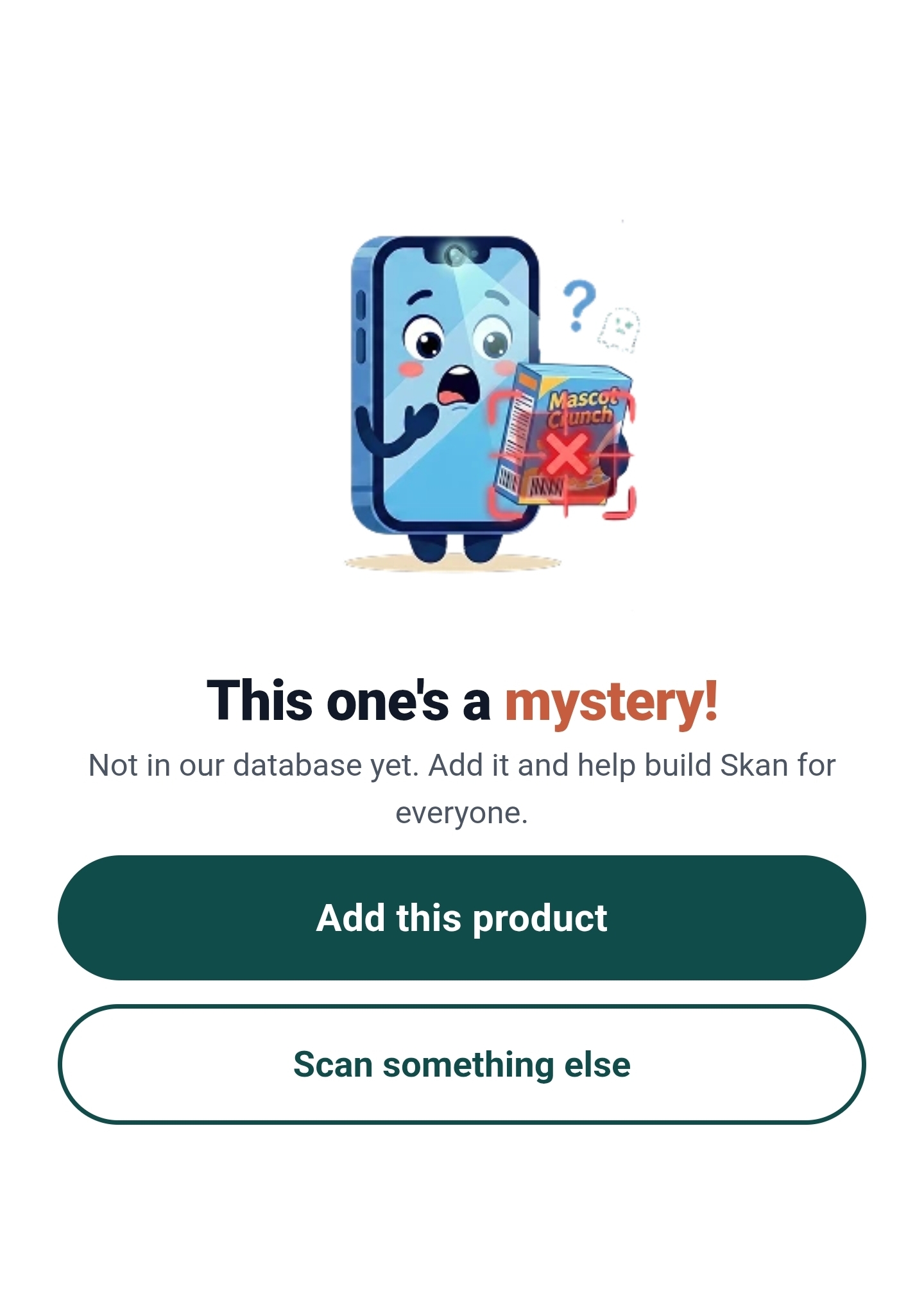
“Not in our database yet.”
It can feel like Skan has failed, but we actually think it is an important part of building the product properly. Because the difficult part isn't just teaching a phone to recognise a picture, the difficult part is building a food knowledge base that can keep up with the food people actually eat; and in Ghana and Nigeria, that is a much bigger job than it might sound.
A food database is not just a list of foods
When you open Skan and scan a packaged product, the experience is deliberately simple.
1.You take a picture.
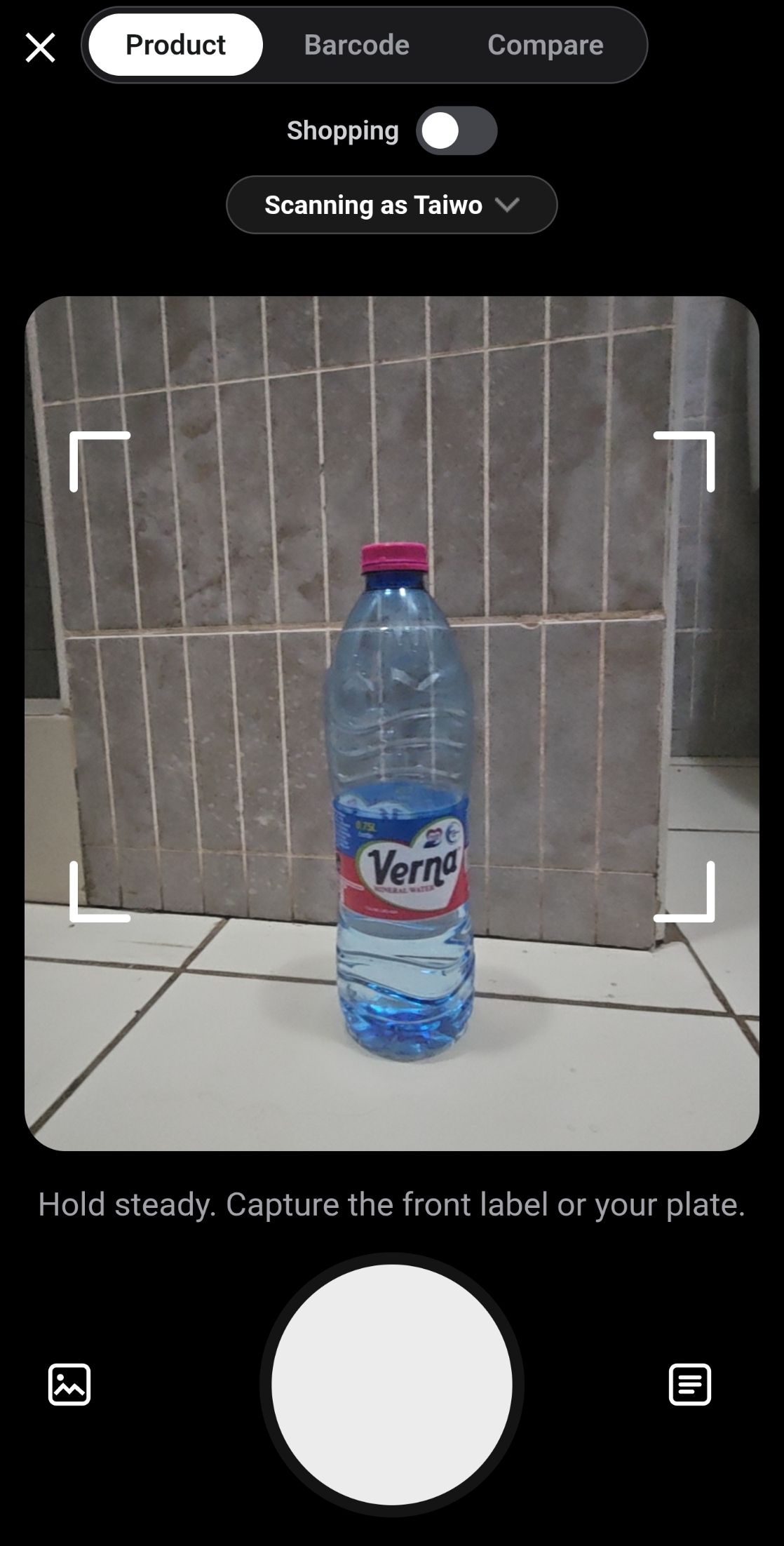
2.Skan looks at the product.
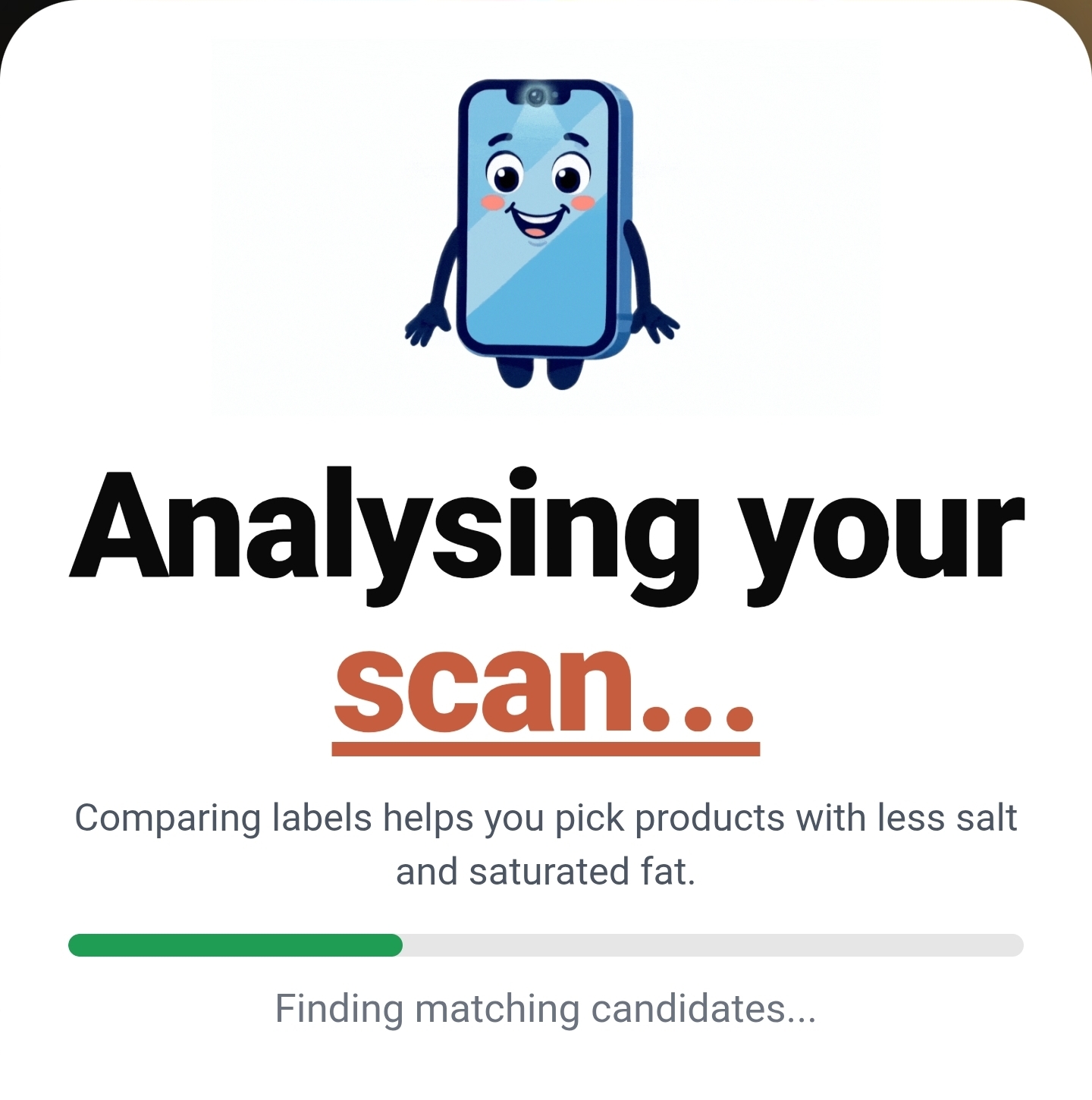
3.You get information back.
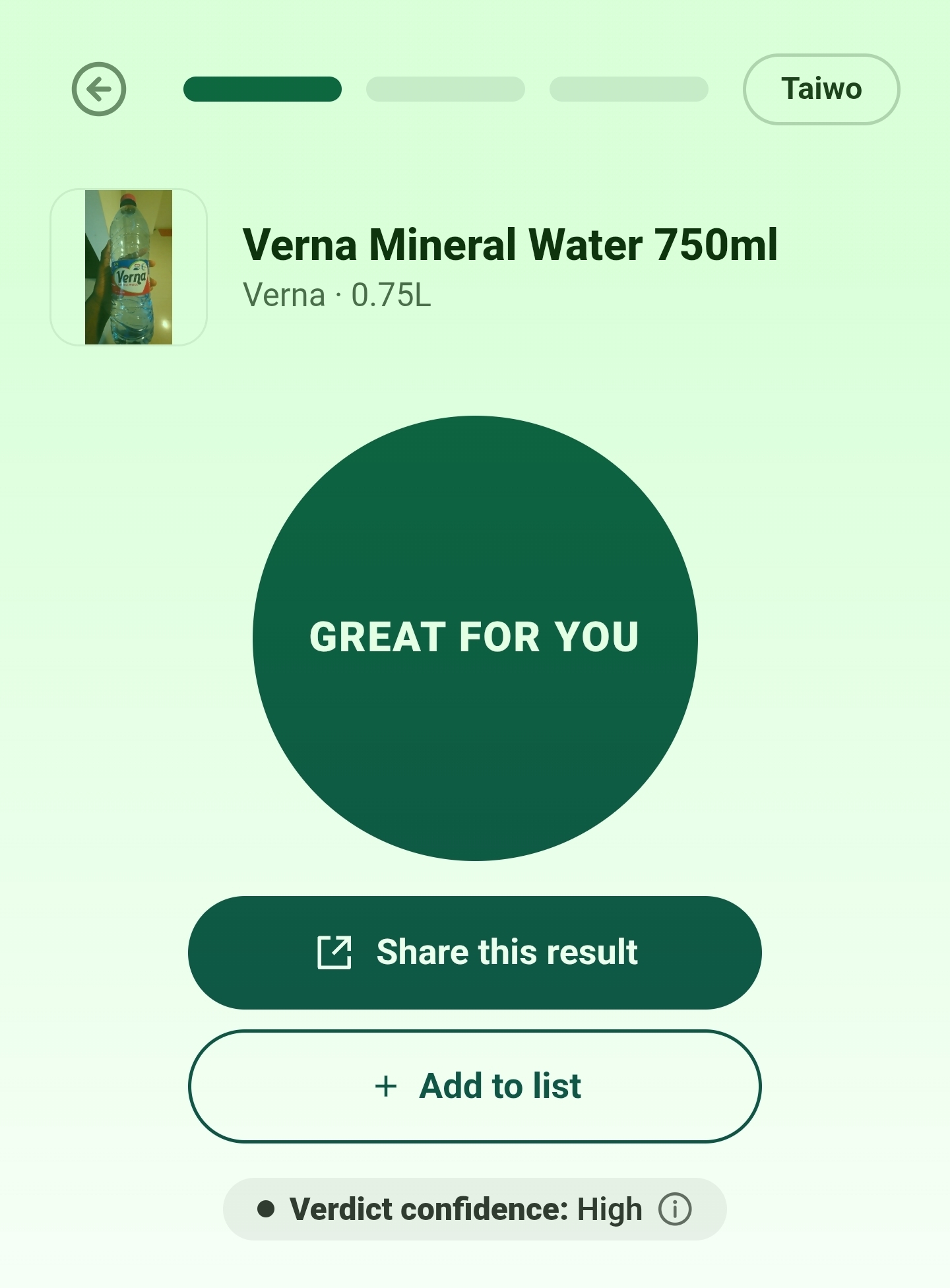
What you don't see is the work underneath that experience. A packaged food has a product identity, a barcode, an ingredient list, a nutrition panel and information about how the product is labelled.
For a home-cooked meal, the problem changes completely. There may not be a barcode, there may not be a nutrition label, there may not even be one universally agreed recipe.
Take something as ordinary as a bowl of soup; what someone calls the dish in their country or culture, what goes into making it, how much of each ingredient they use and how it is prepared can vary from one household to another. And then there is language; the same ingredient can have different names depending on where you are and who you are speaking to.
So when we say we are building a food database for African users, we are not talking about copying a list of foods from somewhere else and putting “Ghana” on top of it.
We are trying to understand the food Africans actually eat and find in their immediate environment.
And this is where the science gets interesting
Nutrition information has to come from somewhere.
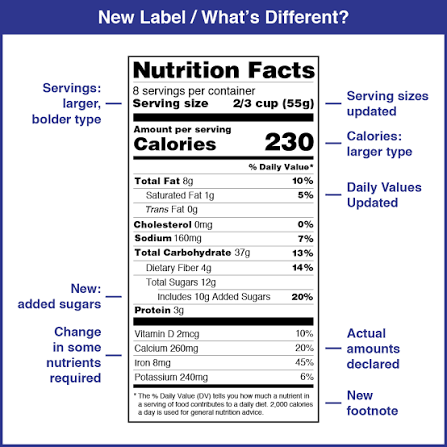
So, for packaged products, Skan works from the information available on the product itself. The information we use is based on what manufacturers declare on their packaging, rather than laboratory analysis.
For cooked foods, the process is totally different.
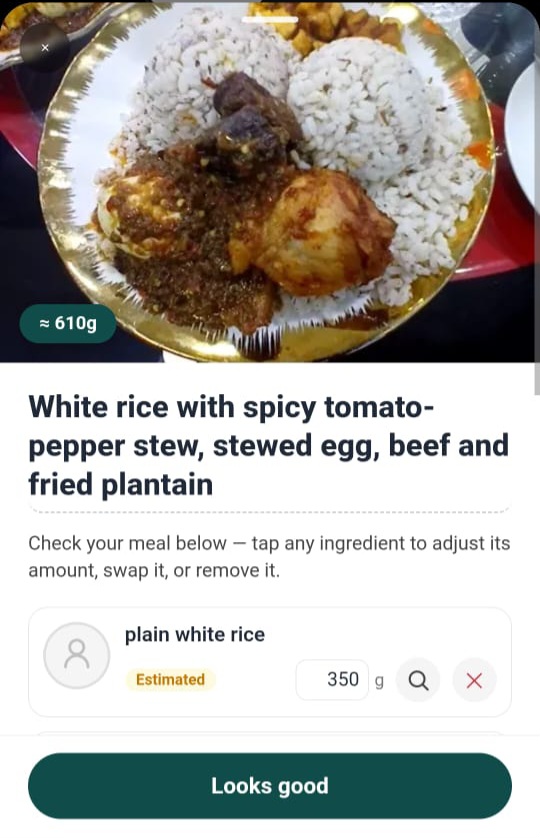
A recipe has to be represented as ingredients, quantities, cooking method, water and portion.
Skan currently uses the West African Food Composition Table as part of the foundation for calculating the nutritional composition of home-cooked dishes. It's not as technical as it sounds, the simple version: We have to figure out what the food is before we can explain what is in it.
But what happens when we don't know?
This is probably the most important part. When Skan doesn't have enough information about a packaged product, we don't want to guess.
The current experience is exactly what you see on the screen:
“This one's a mystery!”
And then:
“Not in our database yet. Add it and help build Skan for everyone.”
That isn't just a cute error message, It reflects a product decision.
There is a difference between saying:
“We don't know this yet.”
and pretending:
“We know.”
For something as personal as food and health, that difference matters.
Our internal work on the database has also made this clearer: even information that has been successfully added is not automatically the same thing as laboratory-verified truth. Packaged-food values can be rounded, outdated or incorrect, and home-cooked dishes can vary significantly depending on preparation.
So there are several different questions hiding behind one simple scan:
Can we recognise it?
- Do we have information about it?
- Where did that information come from?
- How confident are we in what we're showing you?
Those are different questions we are learning to answer correctly for you.
And this is why your scans matter
There is another side to the “not in our database” screen.
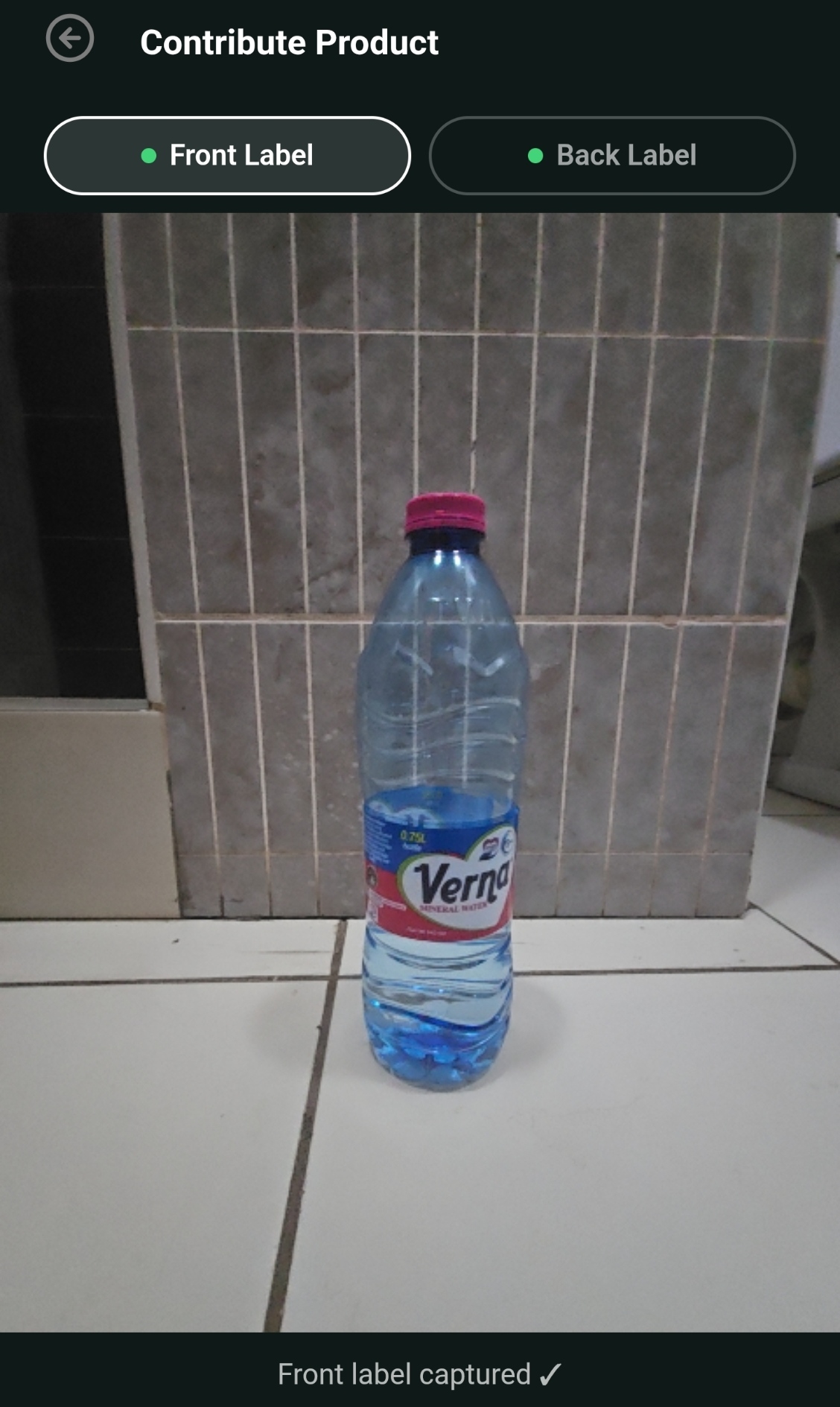
Every time someone encounters a product Skan doesn't know, we learn something about the world we're building for.
Maybe it is a new biscuit, maybe it is a drink sold in one particular supermarket, maybe it is a locally produced food by the road side, maybe it is a food that thousands of people know perfectly well, but a nutrition database has very little information about.
That is one of the peculiar things about building technology for a specific place;
The gaps are information too.
They tell us what we still need to understand; and when you add a missing product, you're not just fixing your own scan, you're potentially making that product easier for the next person to understand too.
That is why the button says:
“Add this product.”
It is a small piece of the product, but it points to a much bigger idea.
Who we are building this with?
There is a temptation when building technology to imagine that our job is to disappear into a room, build the perfect system and come back when everything works, but food doesn't really allow us to do that.
The more we look at what people eat, the more we realise how much context matters.
- A food can have a different name,
- A different recipe,
- A different preparation method,
- A different portion,
- A different label,
- A different meaning to the person eating it.
And if Skan is going to be useful in Ghana first, and eventually across Nigeria and other African markets, our knowledge has to become much more representative of those realities.
That means working with nutrition professionals, researchers, food experts, retailers and, importantly, the people actually using Skan.
Our recent conversations with nutrition professionals have reinforced something we already knew but needed to take more seriously: building a useful food database is not a one-time project; It is ongoing work.
There are layers of rigor to getting food information right, from checking what is printed on a package to much more demanding forms of validation such as laboratory analysis. We are not going to pretend that all of those levels are the same. but we are figuring out where each level belongs, what we can confidently provide today, and where the gaps still are.
So, if Skan doesn't recognise your food…
Don't give up on us, seriously.
If you scan something and see:
“Not in our database yet,”
you have found one of the places where Skan is still learning.
1.Add the product when you can.
2. Keep scanning, and tell us what is missing,
And keep challenging us when the answer doesn't make sense.
Because our goal isn't to build a database that looks impressive on paper, our goal is to build one that becomes increasingly useful when you are standing in the shop, holding the product you actually want to buy.
That means the food Skan recognise looks like the food you eat, the information skan provides makes sense to you, and when we don't know something, we are honest enough to say so.
And some of the best parts of Skan will probably come from the things our users show us that we didn't know we were missing.
More from Skan
View all articles →
Eating for Weight Loss: Why Some Meals Keep You Fuller
Weight loss is not simply about eating less. Learn why the amount of food on your plate and the energy packed into it can change how filling a meal feels.
October 1, 2026
Read more
Eating to Gain Weight: African Foods That Pack More Into a Meal
Trying to gain weight does not have to mean eating completely different foods. Here’s how familiar African foods can add more energy and substance to everyday meals.
October 1, 2026
Read more